

Going to Nebraska
Without art, there is no life. My take on 'Deliver Me From Nowhere'

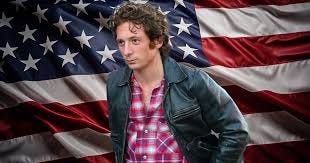
I’ll admit this right up front: I never cared for Bruce Springsteen when I was growing up. I’m still not a fan of his music, but I was mesmerized by the new movie “Springsteen: Deliver Me From Nowhere.” It’s been years since I watched such a beautiful, evocative film about an artist coming to terms with his demons.
As a writer, I understand good narrative, and this movie, based on the book by Warren Zanes, unfolds like the very best of stories. It painstakingly recreates a bygone America while depicting the trauma of a man trying to find his way through his past as he sits on the cusp of worldwide stardom. Flannery O’Connor’s writing adds to the literary feel and helps drive the storyline.
“Where you come from is gone, where you thought you were going to never was there, and where you are is no good unless you can get away from it.”
O’Connor’s words, which play a central role in the film, remind me of a similar meditation on self-awareness: “Wherever you go, there you are.” And it’s a concept I play with in my writing quite a bit. You can’t escape who you are or where you come from. You can only learn to make peace with it.
“Nebraska,” the album and the song, are both a true story and a metaphor for the demons we all carry. Inspired by the story of Charles Starkweather, an unrepentant killer in the 1950s in Nebraska and Wyoming, “Nebraska” is a stark, acoustic album Springsteen recorded in 1982 on a cassette tape player in his bedroom, in a rented house in New Jersey. The recordings’ style puts him at odds with his record label, as he pursues a sound they find repellent. The album’s arc parallels Springsteen’s increasing discomfort with himself. But in contrast to the O’Connor quote, there is no way for Springsteen to get away from his discomfort until he is willing to confront his grief over his father’s alcoholism and the damage it did to his family.
How fortunate we are that the film’s writer-director, Scott Cooper, resisted the urge to make a sappy rock biopic where shiny objects and melodrama gloss over Springsteen’s struggles with depression. Instead, we get an up-close picture of a man in pain and the people around him as they struggle to understand how to help him.
The scenes between Springsteen and his producer-manager Jon Landau are some of the most touching in recent memory and reveal an intimacy between men that seems lost to modernity. Maybe that’s why I liked the movie so much. It’s stripped bare like the man it portrays, and its honesty and lack of artifice are at once uncomfortable and comforting. It’s a shame it will never be a box office hit. But nobody wants to see their fantasy of a cool rock star ruined by mental illness, and Jeremy Allen White in the title role lacks the sex appeal of a Timothée Chalamet, who juggles his women and dirty ashtrays as Bob Dylan with a knowing smirk.
These days, it’s damned hard to get people to go to the movies after a pandemic forced us to make do in our living rooms instead of inside the magic of a darkened theater. Lately, our 24/7 world feels like a nonstop barrage of noise, a battle for tweets, likes and political dominance. It’s as if storytelling is for suckers, and everything is reduced to snarky posts and memes that drive social media stardom but leave us ever more empty and lacking human connection.
“Deliver Me From Nowhere” is an antidote to that detachment. It reminds us about what it means to love—even imperfectly—to be loyal and to forgive the people you love when they hurt you. I hope the Academy is paying attention, regardless of the film’s commercial success.
It’s no coincidence that my reaction to Cooper’s film comes after the release of my latest novel and a month of literary and promotional events for the book. “The Campaign” was released September 30, and the reviews are trickling in. As an indie author, I know what an uphill battle I have for eyeballs. Thank goodness writing isn’t my day job.
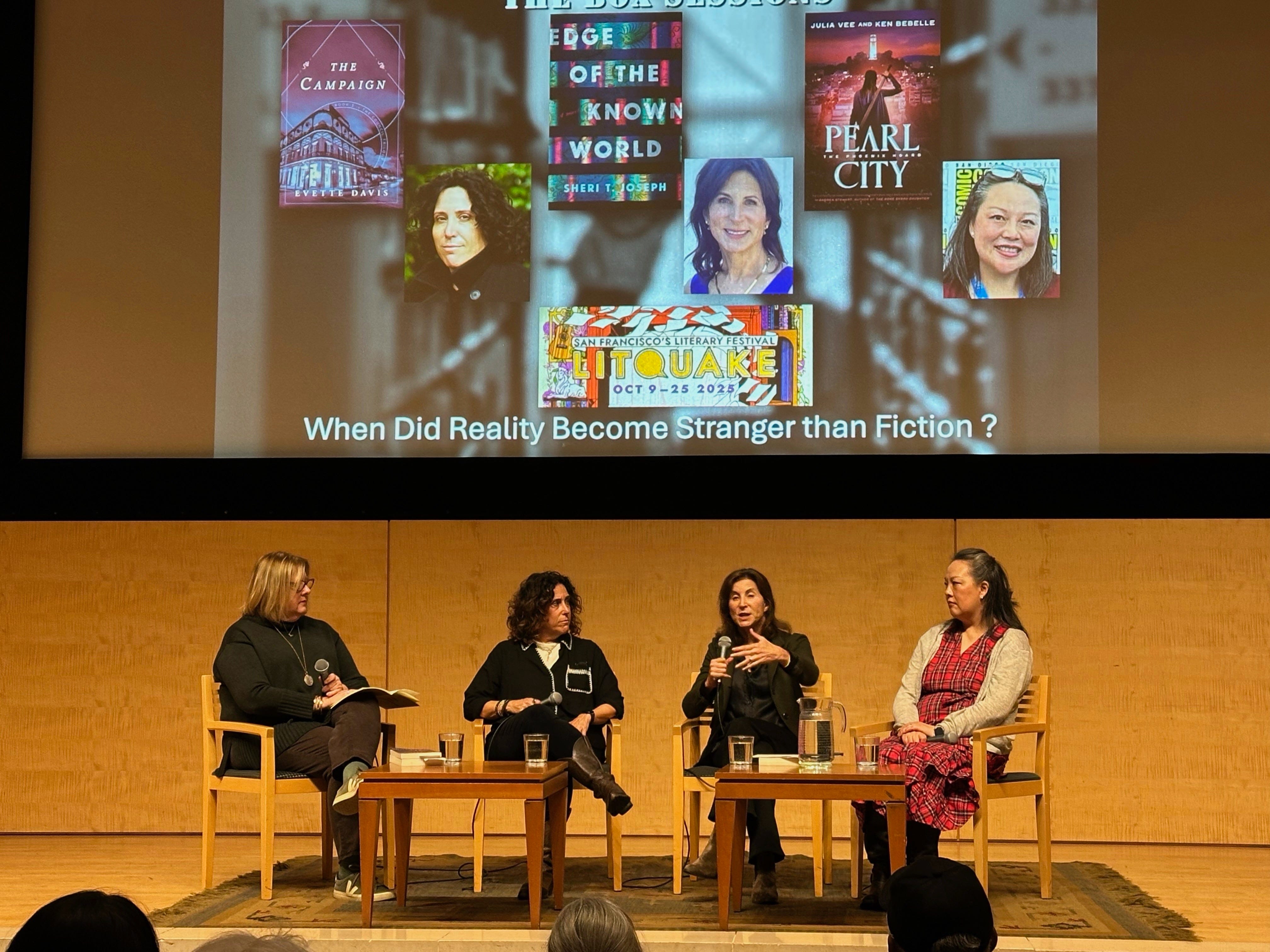
What makes it all worth it are the events I did as a part of Litquake, San Francisco’s annual literary festival. I’m a member of Litquake’s board of directors, but I’m also a participant. This year, I moderated a panel of sci-fi/horror writers and was interviewed as part of my own event about what happens when reality is stranger than fiction. Both events were well attended, but it was the interaction with the audience that made me remember why I’m a writer. People are starved for good stories and for human contact. Whether I was posing questions or answering them myself, the engagement with others was both inspiring and humbling. Actors, writers, musicians—we all wear our art on our sleeves, and to face an audience is to be vulnerable.
Jon Landau, in accepting an honorary degree at Brandeis University, his alma mater, said, ”Without art, there is no life. So let’s all of us carry on—creating, seeking, searching, and making art a part of our lives. It’s art that brings out the human in all of us.”
We often mistake commercial success for actual success—or for artistic merit—when the two don’t necessarily correlate. Many mediocre things are inexplicably popular while their smarter, more artistic counterparts languish. So I encourage you to go to Nebraska…watch “Deliver Me From Nowhere” in a movie theater. Support Scott Cooper and make sure he can keep telling good stories on the big screen. If you’re a fan of my books, please buy a copy and leave a review. Support people who make art and tell good stories. I promise they’ll take you places you never thought you would go, like Nebraska.